In a dramatic reversal of US trade policy, President Donald Trump’s April 9, 2025, announcement slashing tariffs to 10% for most countries (including Vietnam) within a 90-day window has reshaped the global sourcing landscape. For American brands grappling with China’s punitive 125% tariffs, Vietnam emerges as the clear winner—offering not just tariff savings but reliability, quality, and agility.
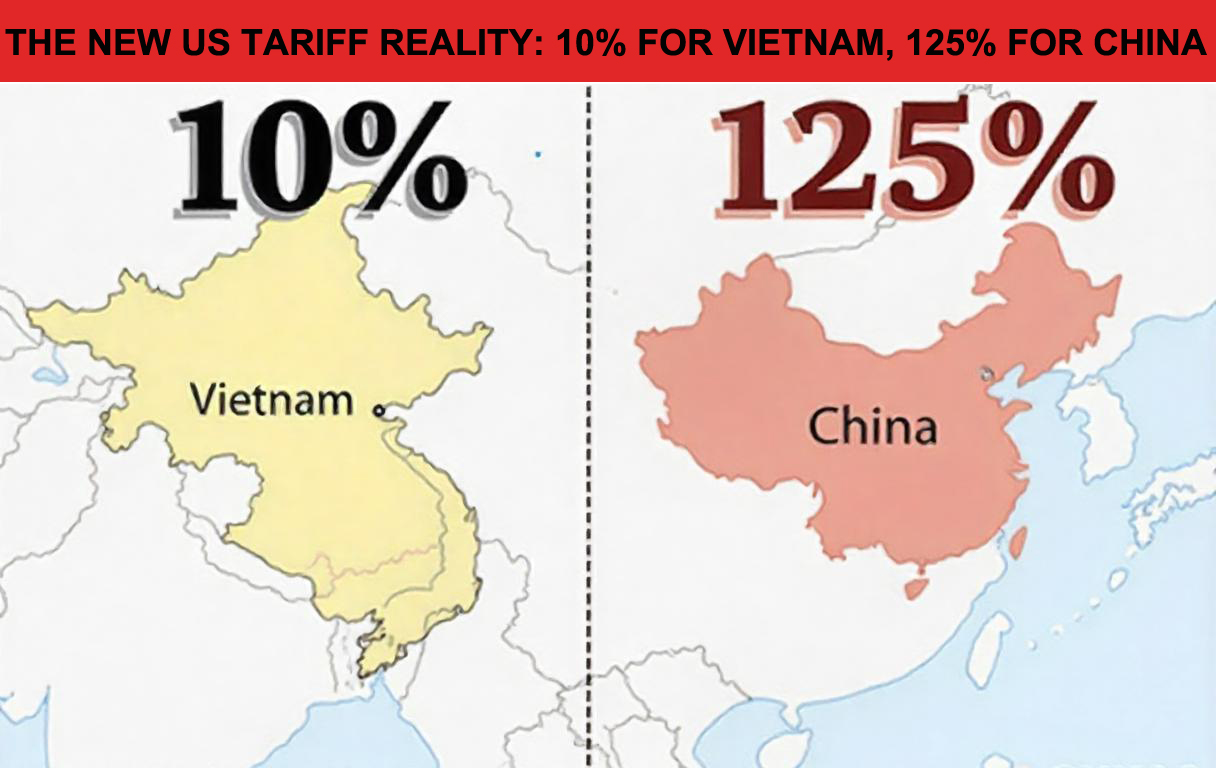
The New US Tariff Reality: 10% for Vietnam, 125% for China
The April 2025 US trade policy overhaul marks a pivotal shift:
Vietnam’s Tariff Edge: Reduced to 10% through proactive negotiations and commitments to lower its trade surplus with the US.
China’s Escalating Burden: Exclusion from tariff cuts leaves Chinese exporters facing a 125% duty on leather bags—a tenfold increase since 2024 due to ongoing trade disputes.
Supply Chain Calculus: For a 100,000 in tariffs versus China’s $1.25 million, incentivizing rapid relocation of orders.
Vietnam’s Leather Bag Factories: Agility Meets Excellence
1
Cost-Effective Quality Without Compromise
Vietnam’s factories combine labor costs 40–60% lower than China’s with precision craftsmanship. Brands like Coach and Michael Kors report 98% defect-free production due to:
ISO 9001-certified processes for stitching, hardware durability, and material resilience.
Eco-compliance: Adherence to REACH (EU) and Prop 65 (California) standards, crucial for premium markets.
2
Strategic Government Backing
Vietnam’s Ministry of Industry and Trade accelerates growth via:
Tax incentives: Export-focused factories enjoy a 15% corporate tax rate (vs. China’s 25%), saving $50,000 annually per mid-sized facility.
Tariff exemption vouchers: Slashing customs clearance times to under 48 hours, as seen in Ho Chi Minh City’s ports.
3
Long-Term Outlook: Beyond the 90-Day Window
Leverage Vietnam’s FTAs: Utilize the EU-Vietnam FTA (EVFTA) and CPTPP for tariff-free access to Europe and Japan.
Conclusion
The 10% tariff window isn’t merely a loophole—it’s validation of Vietnam’s ascendancy as a nexus of cost, quality, and agility. With Chinese tariffs pricing out competitors, astute brands are locking in partnerships with Vietnamese factories today. Future-proof your supply chain—contact our experts to navigate this strategic shift.